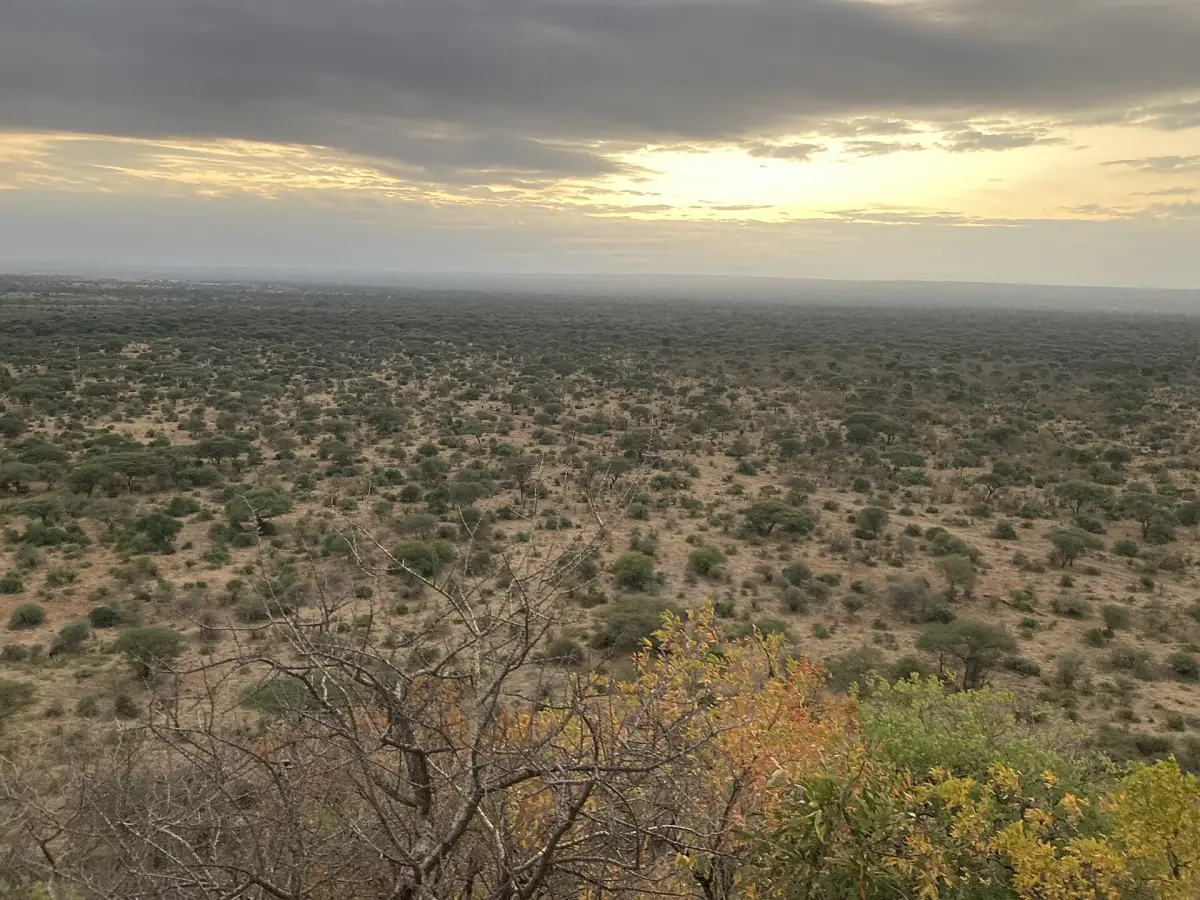
Tarangire history in brief
Tarangire was declared a national park in 1970. Today the park covers 2,850 km², lies in the Manyara Region and is managed by TANAPA. It is named after the Tarangire River, which runs through it. The park belongs to the Greater Maasai Steppe, and conservation work reaches beyond its boundary, because many animals move out into the surrounding land.
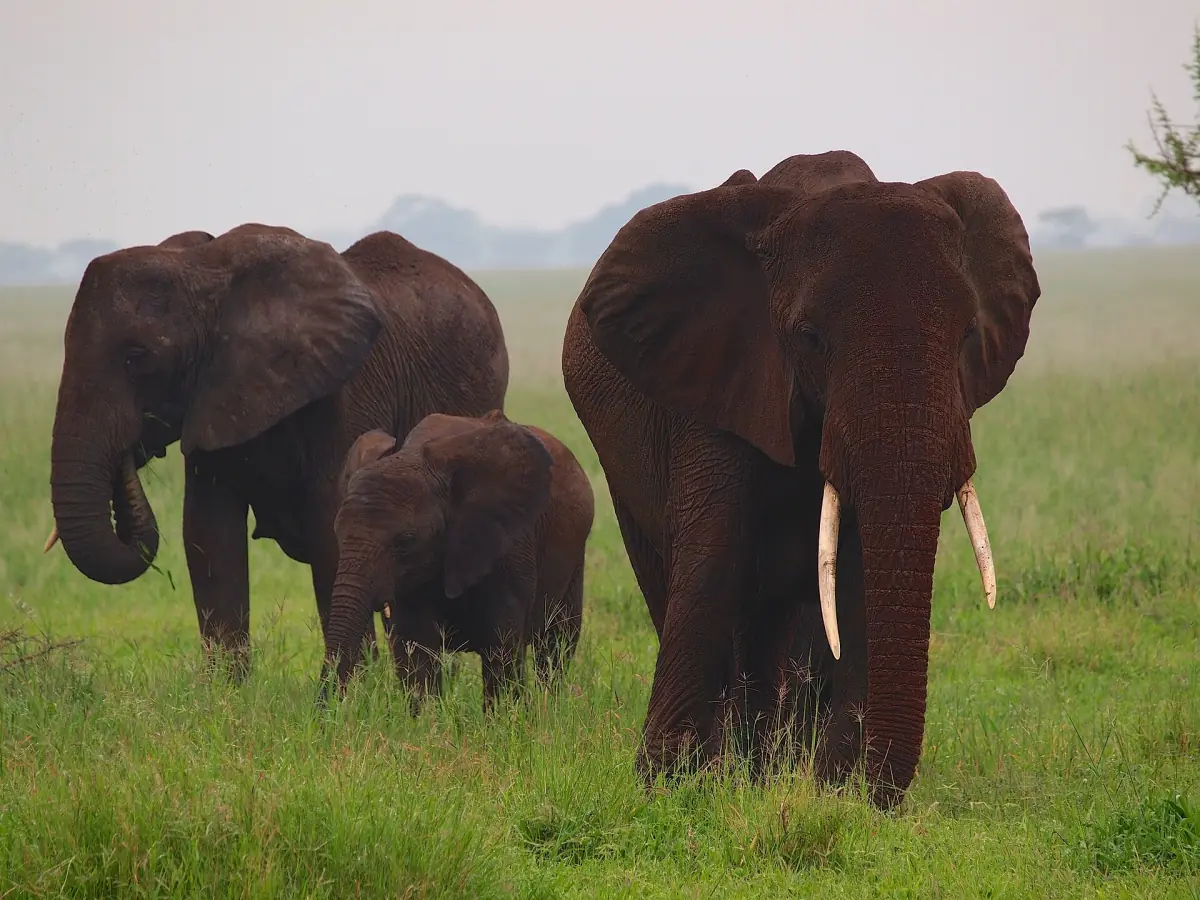
The main chapter of its recent past is the fate of the elephants. Ivory poaching was severe in the 1970s and 1980s, elephants retreated into the park, and numbers have recovered since the 1990s. That story shapes how the park is run and how visitors are asked to behave.
Timeline of Tarangire
Dates and periods.
| When | What happened |
|---|---|
| 1970 | Tarangire is declared a national park |
| 1970s and 1980s | Severe ivory poaching; elephants retreat into the park |
| Since the 1990s | Recovery of the elephant population |
| 2019 | Estimate of 4,538 elephants for the wider Tarangire-Manyara ecosystem in the rainy season |
| April 2022 | The state wildlife research institute takes over the long-running elephant research project |
If you came for a quick answer, the most useful date is 1970. For a deeper look at the animals, the elephants page shows how the recovery looks on a game drive today.
Our pick: Arusha National Park and Tarangire
A two-day trip that visits Tarangire with a second park nearby.
Hand-picked tours, booked through GetYourGuide. Prices are indicative starting prices in US dollars (as of October 2026). Tap a tour for live availability and the current price in your currency.
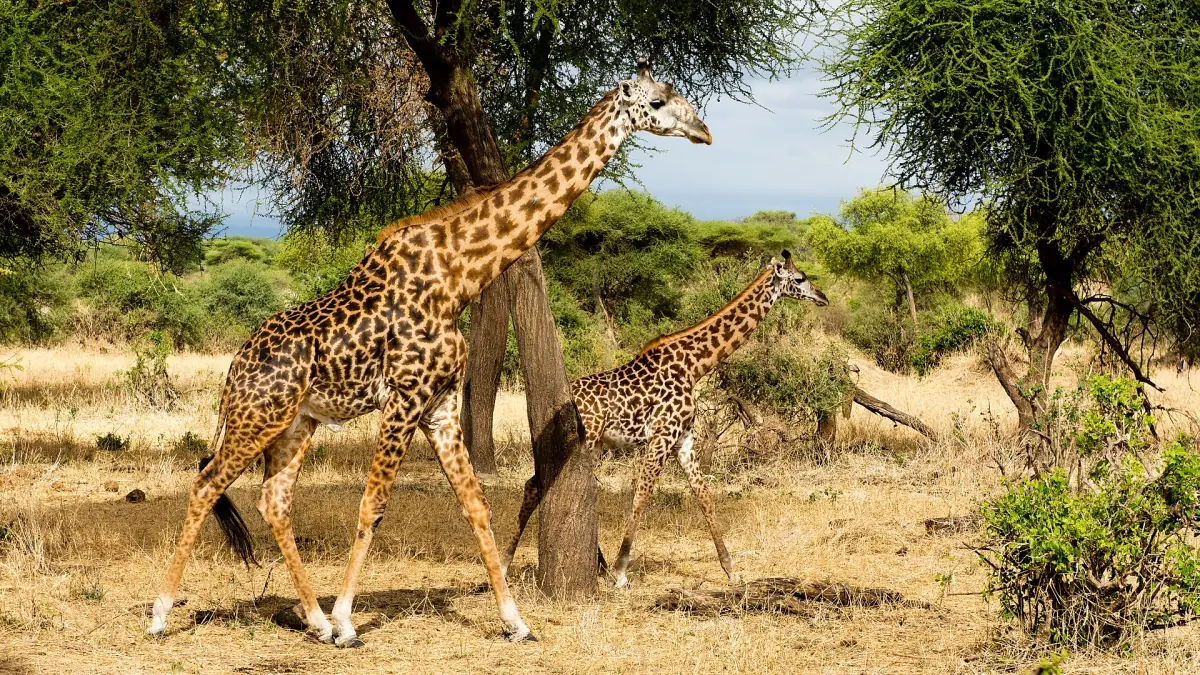
Visit Tarangire on a guided safari
Game drives and day trips to the national park, which now welcomes visitors on day and night drives, walks and balloon flights.
Poaching and recovery
The elephants' story from the 1970s onwards.
Ivory poaching was heavy in the 1970s and 1980s, and during those years elephants withdrew into the park. Since the 1990s the population has recovered. This describes past decades.
Elephants are today one of the park's main draws, and research on them has continued for many years. In April 2022 the state wildlife research institute took over an elephant project that follows 29 family groups of the northern part of the population. That figure counts monitored groups, not every herd in the park.
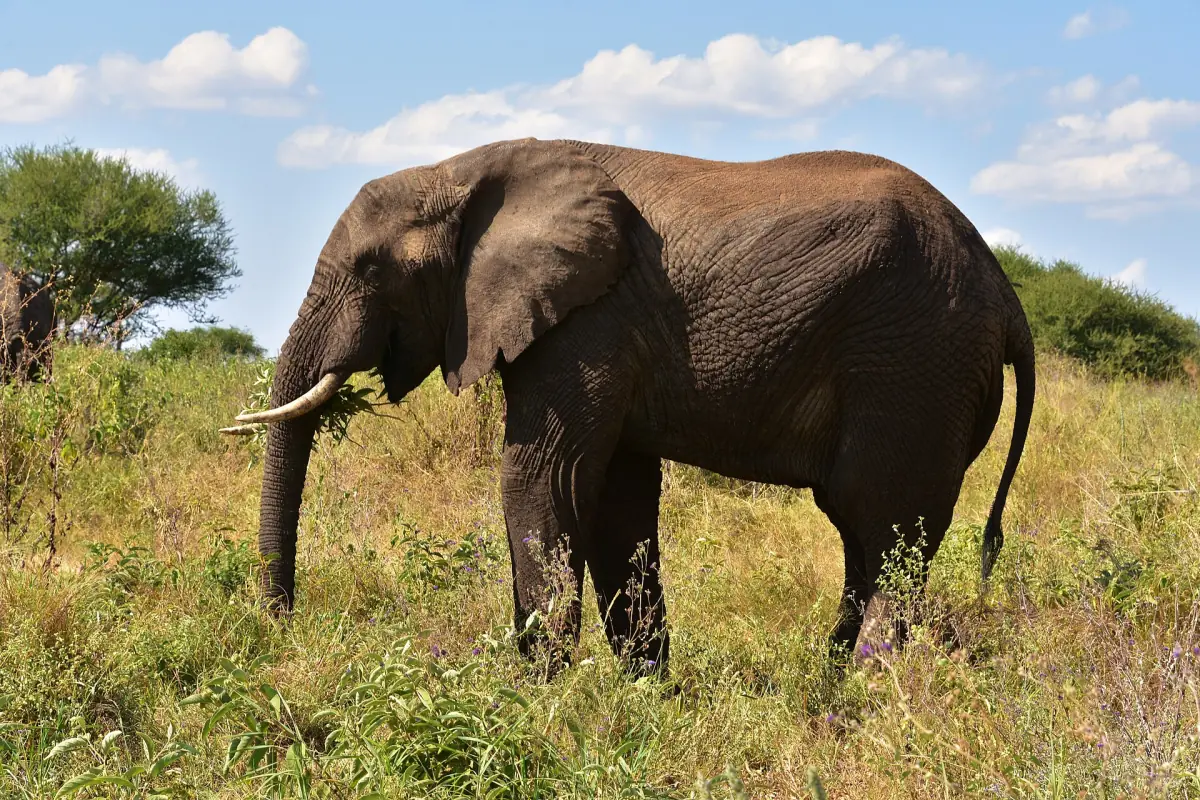
Conservation around the park today
The main strands of the work.
Protecting corridors
Animals do not stop at the boundary. Corridors link the park with surrounding land, and protecting them is one of the aims.
Anti-poaching patrols
Anti-poaching patrols are part of the park's work.
Fire management
Controlling fires is part of the work to keep habitats healthy.
Working with communities
The authority works with the communities around the park.
Two management areas border the park. Burunge lies next to both Tarangire and Lake Manyara, and Randilen lies next to Tarangire. The Kwakuchinja corridor matters for animal movement between them. They are separate management areas with their own administration, not extra gates of the national park. For an overview of what to pay at the national park itself, see park fees.
What the history means for your visit
Three practical points.
Stay on the tracks
Rules such as keeping to marked tracks and leaving the vehicle only at designated stops protect the animals that came back. See the Tarangire safari page.
Seasons shape sightings
The dry season concentrates animals along the river. The weather page explains the months.
Plan a longer trip
Lake Manyara has its own history; the Lake Manyara history page gives the background for the next stop on many routes.
Tarangire history: frequently asked questions
When did Tarangire become a national park?
In 1970. The park covers 2,850 km² today.
Who manages Tarangire National Park?
TANAPA, the Tanzania national parks authority, manages the park. Neighbouring wildlife management areas have their own administration.
Why did elephants retreat into the park?
Ivory poaching was heavy in the 1970s and 1980s, and elephants moved into the park. Numbers have recovered since the 1990s.
What does conservation at Tarangire involve today?
Corridor protection, anti-poaching patrols, fire management and work with the surrounding communities.
Where can I learn more about the elephants?
On the elephants page, with months, places and what the counts mean.
Is this site the official history of the park?
No. This is an independent guide with no link to TANAPA or any operator.