
The Tarangire River, the water behind the park
The park is named after the Tarangire River, which flows through it. From here the river runs north toward Lake Burunge. Along the way it is linked to the swamps of Silale, Gurusi and Larmakau, which are part of the same system of water and wetlands. A river on the map is not a promise of flowing water all year: in the dry months, some stretches shrink to sand banks and small pools.
This is why the river matters for every Tarangire safari. When seasonal waterholes dry out, the river corridor and the wetlands pull animals in from the surrounding savanna. Where the water is, the animals are, and a good guide plans the day around it.
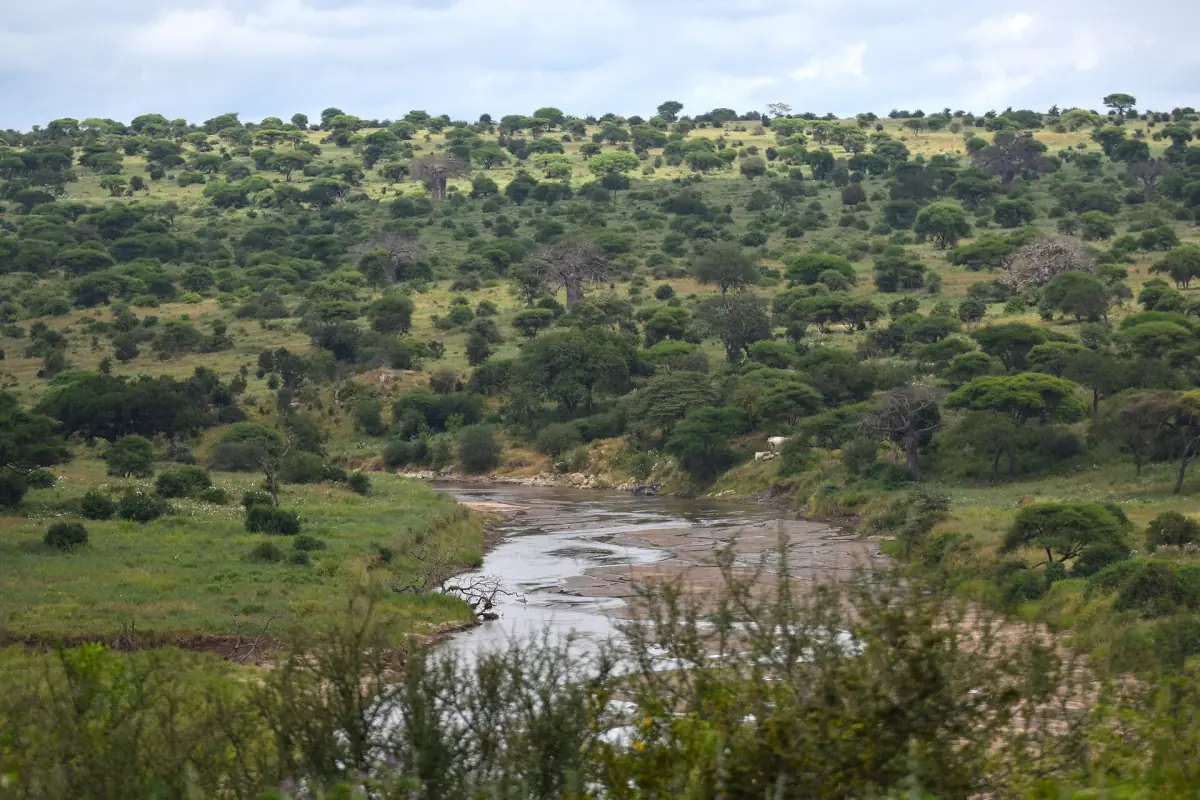
Our pick: camping safari with a river picnic
Day one in Tarangire includes a picnic by the river, which is where the animals gather in the dry season.
Hand-picked tours, booked through GetYourGuide. Prices are indicative starting prices in US dollars (as of October 2026). Tap a tour for live availability and the current price in your currency.
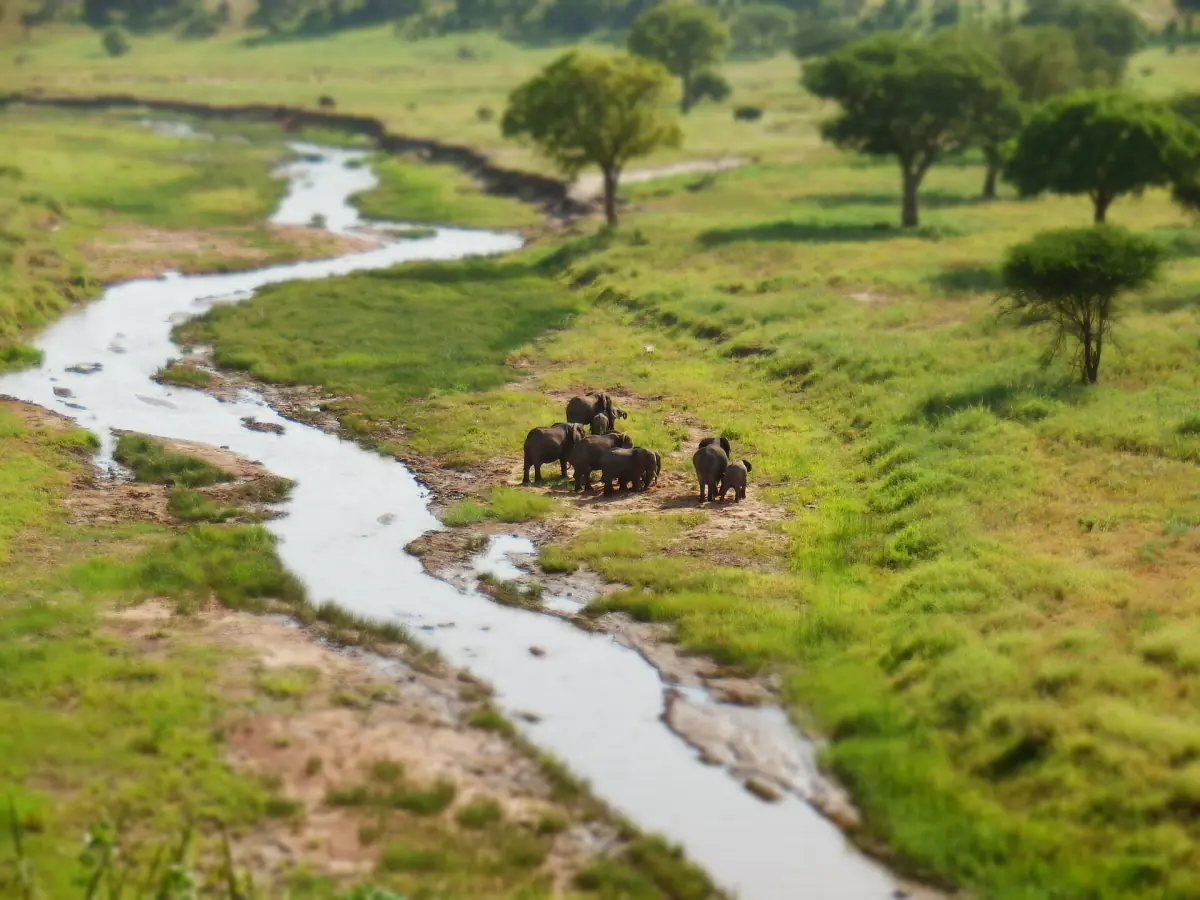
Tarangire safaris along the river
Game drives, day trips and multi-day safaris through the river valley, with live prices and availability.
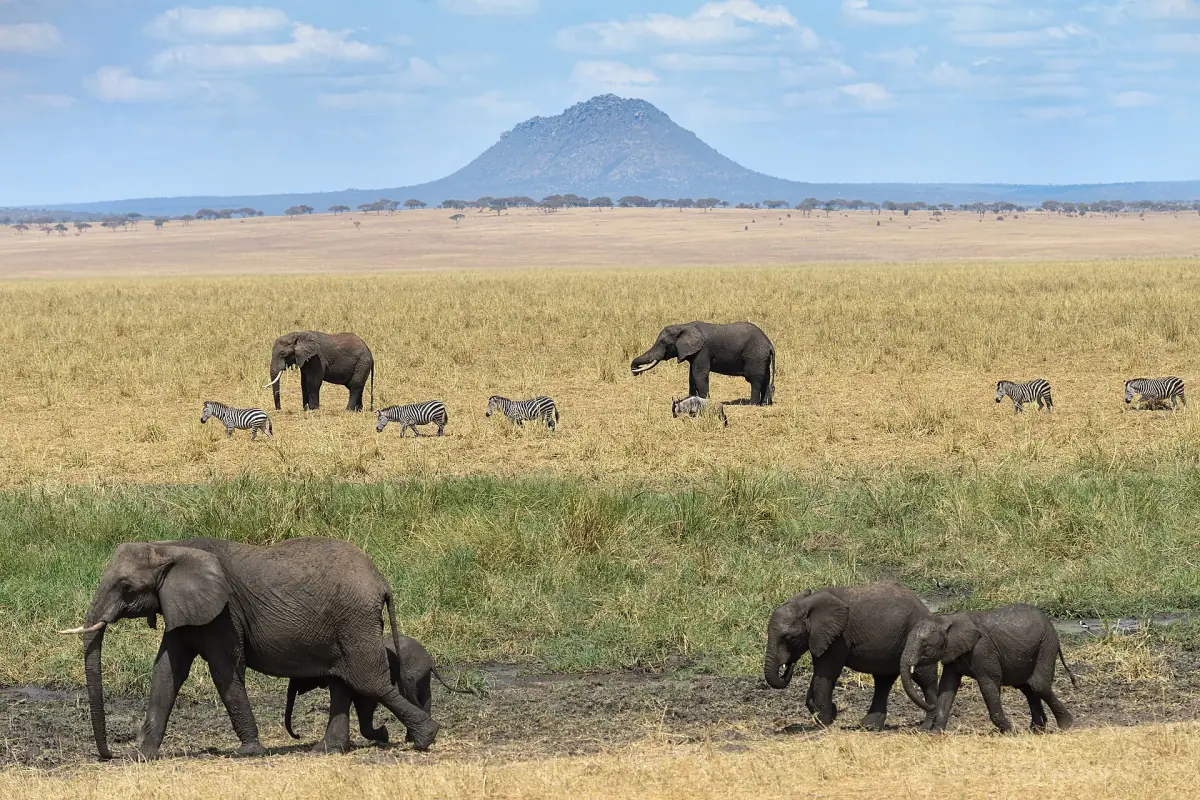
Silale Swamp
The Silale Swamp is a refuge and a water habitat. In the dry season it holds elephants, buffalo and many birds, and elephants and zebras can be seen moving across the flat ground.
Whether you can drive to the swamp depends on the ground. It is not a place you can count on reaching all year, and soft ground and flooded crossings are a real issue in the wet months. Ask your driver-guide what is open on your day instead of planning around one fixed route.
The river in the dry season
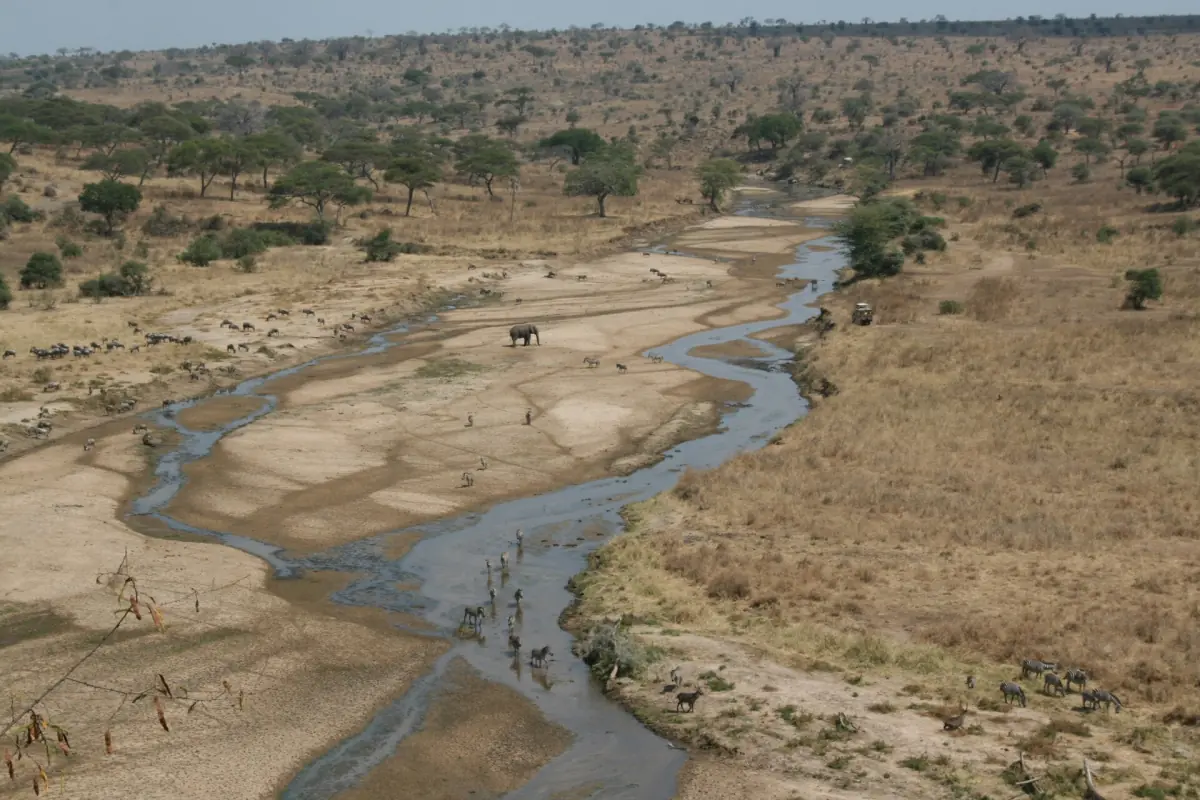
From June to October, the Tarangire River changes the way the park looks. Seasonal waterholes dry out, and animals head for the river corridor. Elephant groups, zebras, wildebeest, buffalo and hartebeest are the animals that concentrate there. The result is a landscape of sand banks, small pools and big herds, with baobab-covered hills in the background.
You can read about the animals on our pages about the elephants and the wildlife and birds. The season explains the pattern: see the weather and best time to visit for the months.
Lake Burunge and the neighbouring areas
Lake Burunge lies in Babati District. Do not mix it up with Lake Babati, which is a separate lake near the town of Babati, or with Lake Manyara. The Burunge Wildlife Management Area borders Tarangire and Lake Manyara, and the Randilen Wildlife Management Area borders Tarangire. A corridor called Kwakuchinja matters for the way animals move between these areas.
These are separate management areas, not extra gates to the national park. Their rules, fees and activities differ from those inside the park. If an operator offers night drives or walks in a wildlife management area, ask where exactly it takes place and who runs it. Our page on night drives and walking safaris at Tarangire explains the difference. For the neighbouring park, see Lake Manyara National Park.
Soft ground, crossings and water safety
Practical points for the river and the swamps.
Do not plan routes through the swamps
Softened hollows and unsecured or flooded crossings are a risk. Stay on the tracks your guide uses and do not drive into a swamp unless it has been cleared.
Wet months need a stronger vehicle
For the last stretches of park track, a four-wheel drive is recommended in the rainy months.
Keep your distance from the water
Animals come to drink and must be able to reach the river. Do not block the way to water, and stay in the vehicle except at marked places.
No swimming or boating
Treat the river, the swamps and Lake Burunge as places to watch from the vehicle or the shore. Do not plan swimming or boat trips on your own.
More Tarangire guides
Where the river fits in the rest of your trip.
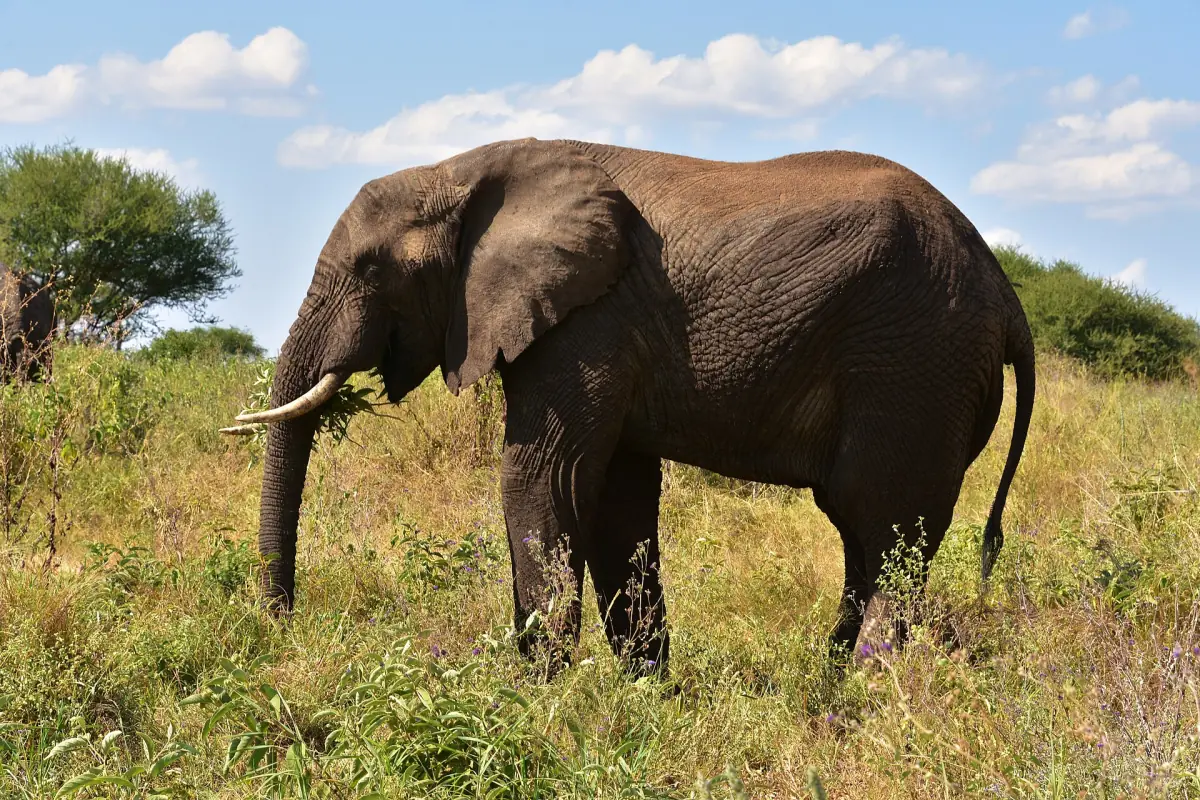
Tarangire elephants
Where the herds go when the river shrinks.
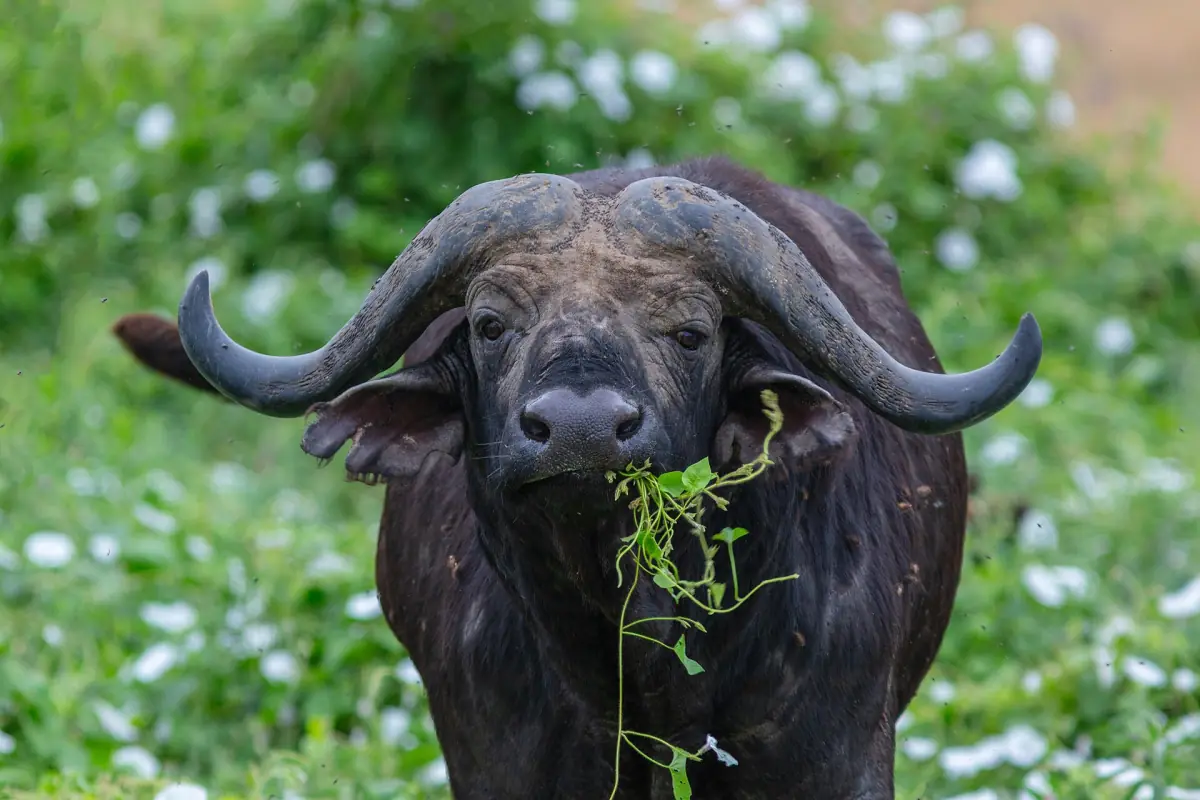
Tarangire animals
Lions, pythons, birds and dry season herds.
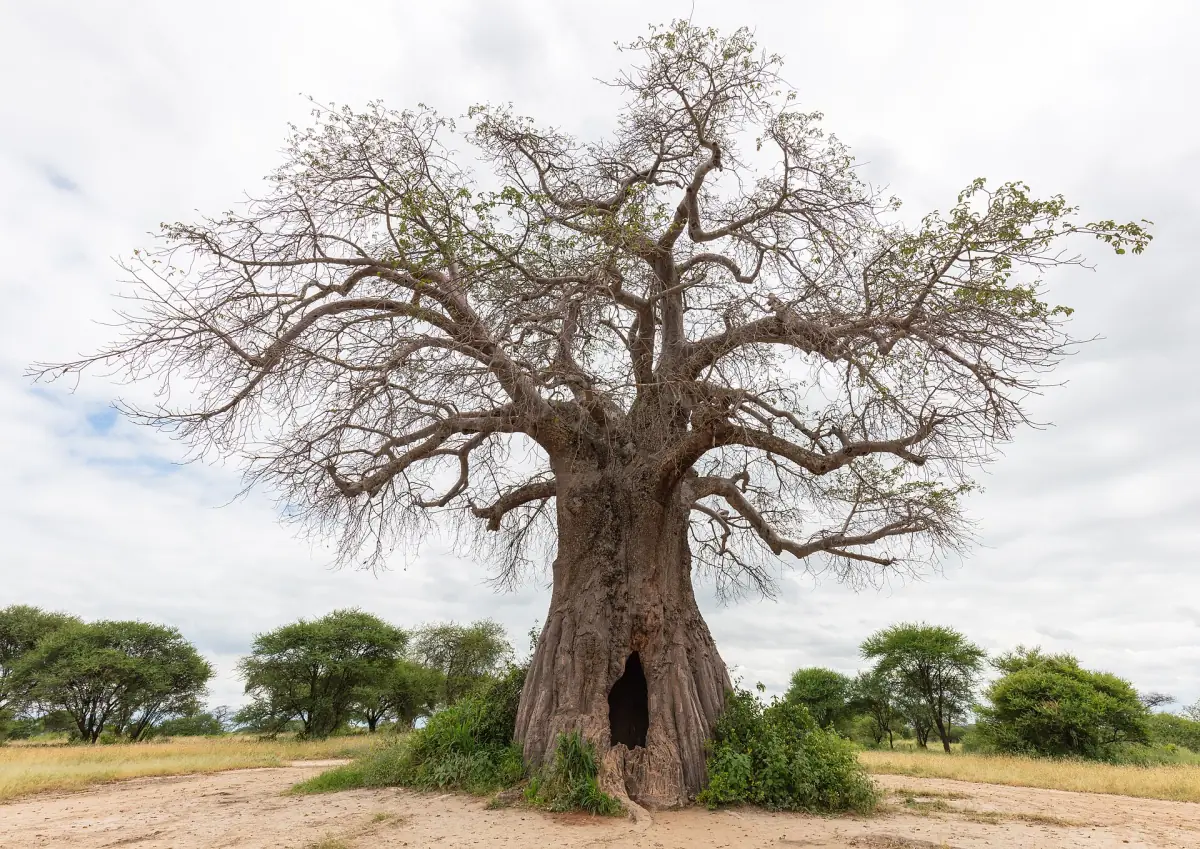
Weather and best time to visit
Dry season, rains and what each means for the river.
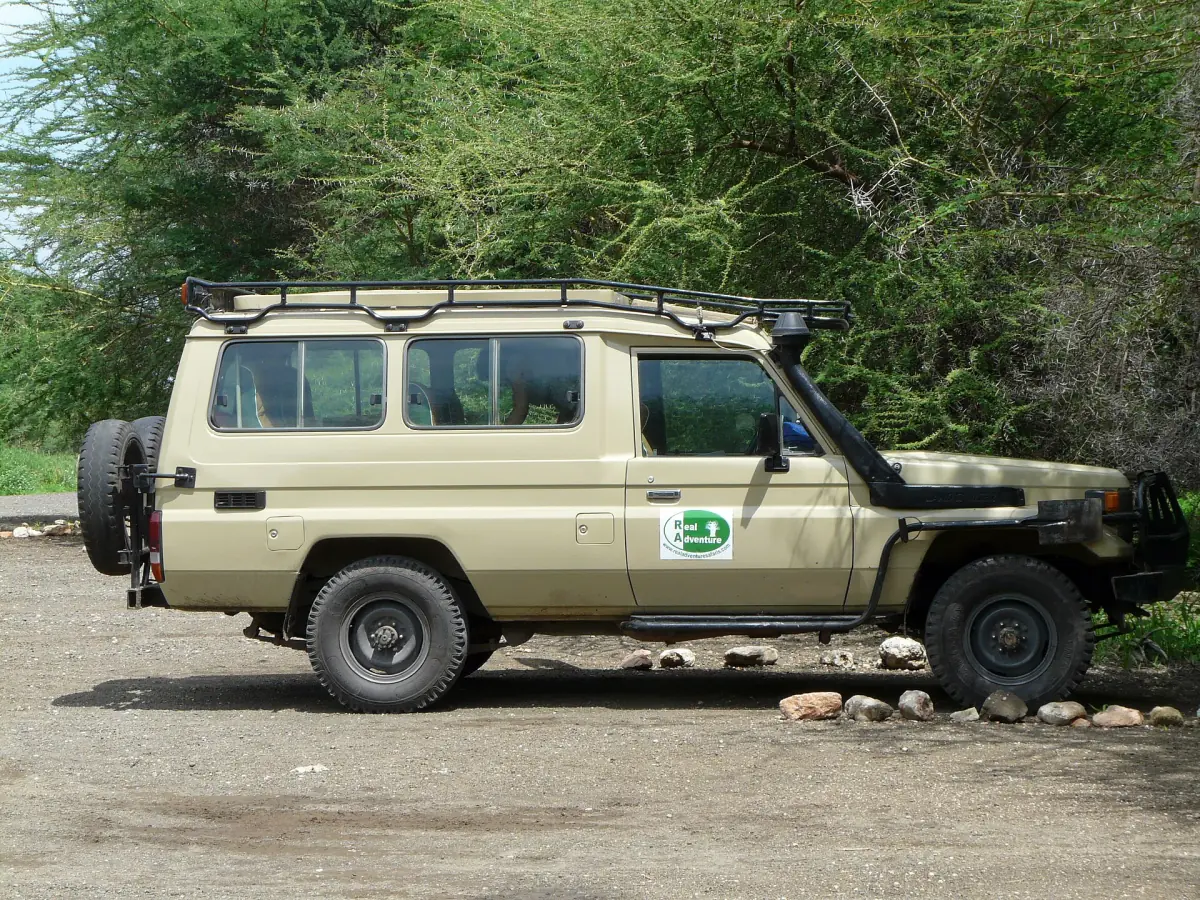
Night drives and walking safaris
Where they are possible and which rules apply.
Tarangire River and Silale Swamp: frequently asked questions
Where does the Tarangire River flow?
It runs through the national park and then north toward Lake Burunge. It is linked to the swamps of Silale, Gurusi and Larmakau.
Is there water in the river all year?
You cannot count on flowing water everywhere at all times. In the dry season, seasonal waterholes dry out, and the river corridor and the wetlands become the main places for animals to drink.
What is the Silale Swamp?
It is a wetland area connected to the river system. In the dry season it is a refuge for elephants, buffalo and birds. Access depends on the ground, so ask your guide what is open on your day.
Is Lake Burunge the same as Lake Babati?
No. Lake Burunge lies in Babati District and is a different water body from Lake Babati and from Lake Manyara.
Can I swim in the Tarangire River?
There is no approved swimming spot to plan around. The river, the swamps and Lake Burunge are for watching from the vehicle or the shore.