Tarangire animals at a glance
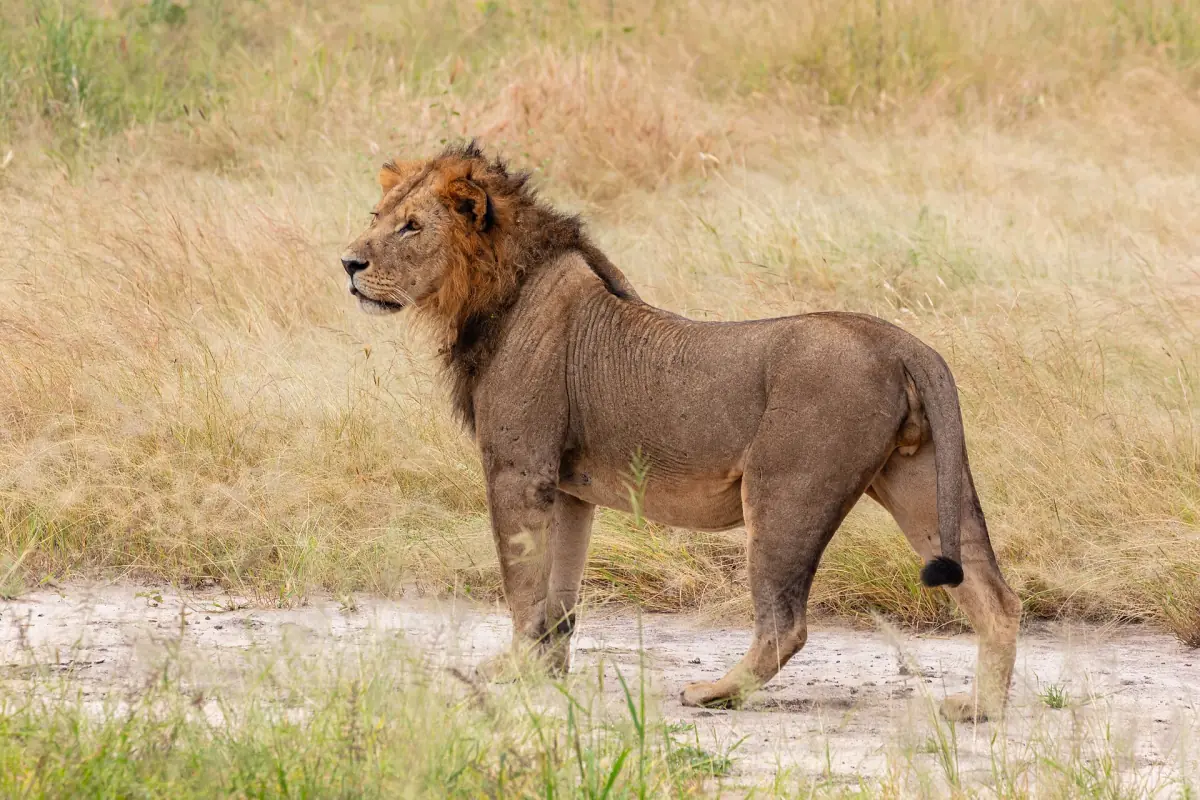
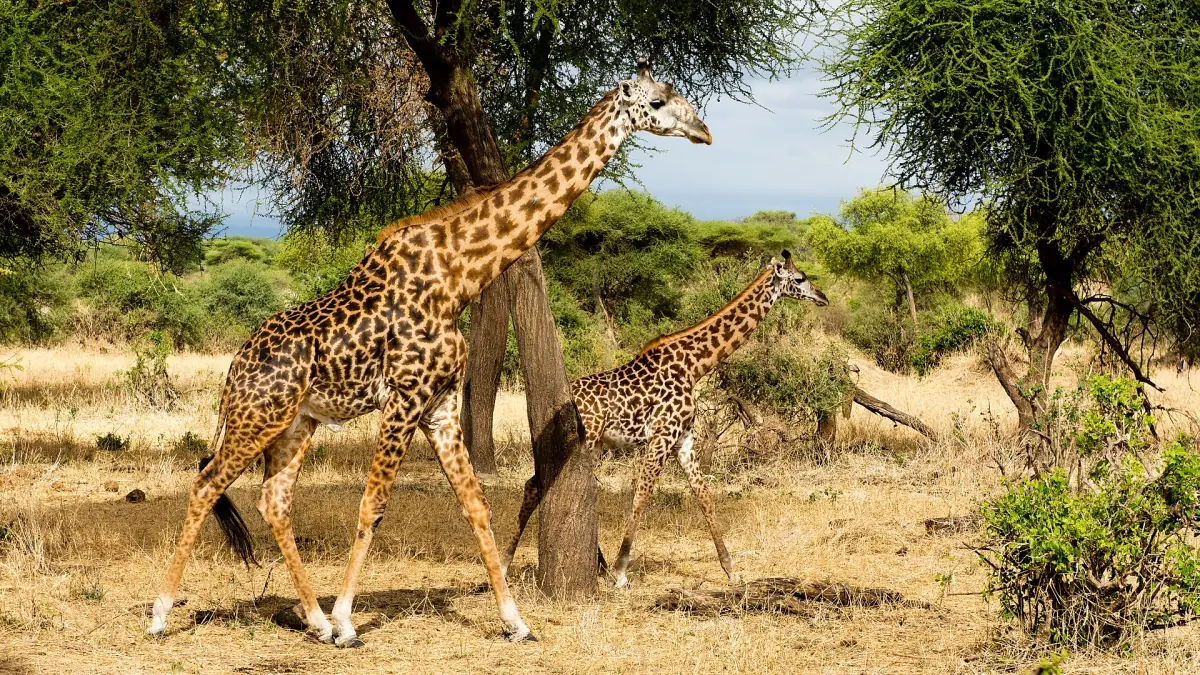
Tarangire covers 2,850 square kilometres of savanna, river valley and baobab hills in the Manyara Region, and it has been a national park since 1970. Elephants, giraffes, zebras, buffalo, lions and cheetahs live in the park, and so do elands. Leopards, hyenas, bat-eared foxes and pythons that climb trees round out the picture.
What you see depends on the season and on luck. In the dry months the river becomes the centre of the park, and that is when a game drive gives you the best chances for large herds. No tour can promise a particular animal, so plan a full day or more rather than a quick loop. A Tarangire safari with a driver-guide is the easiest way to cover the park and to find the sightings other vehicles have already spotted.
Our pick: 4-day camping safari
Tarangire, the Serengeti and the Ngorongoro Crater on one trip, which lets you compare the wildlife in three parks.
Hand-picked tours, booked through GetYourGuide. Prices are indicative starting prices in US dollars (as of October 2026). Tap a tour for live availability and the current price in your currency.
Tarangire safaris and game drives
Day trips, game drives and multi-day safaris to see the animals of Tarangire, with live prices and availability.
Tarangire lions and other predators
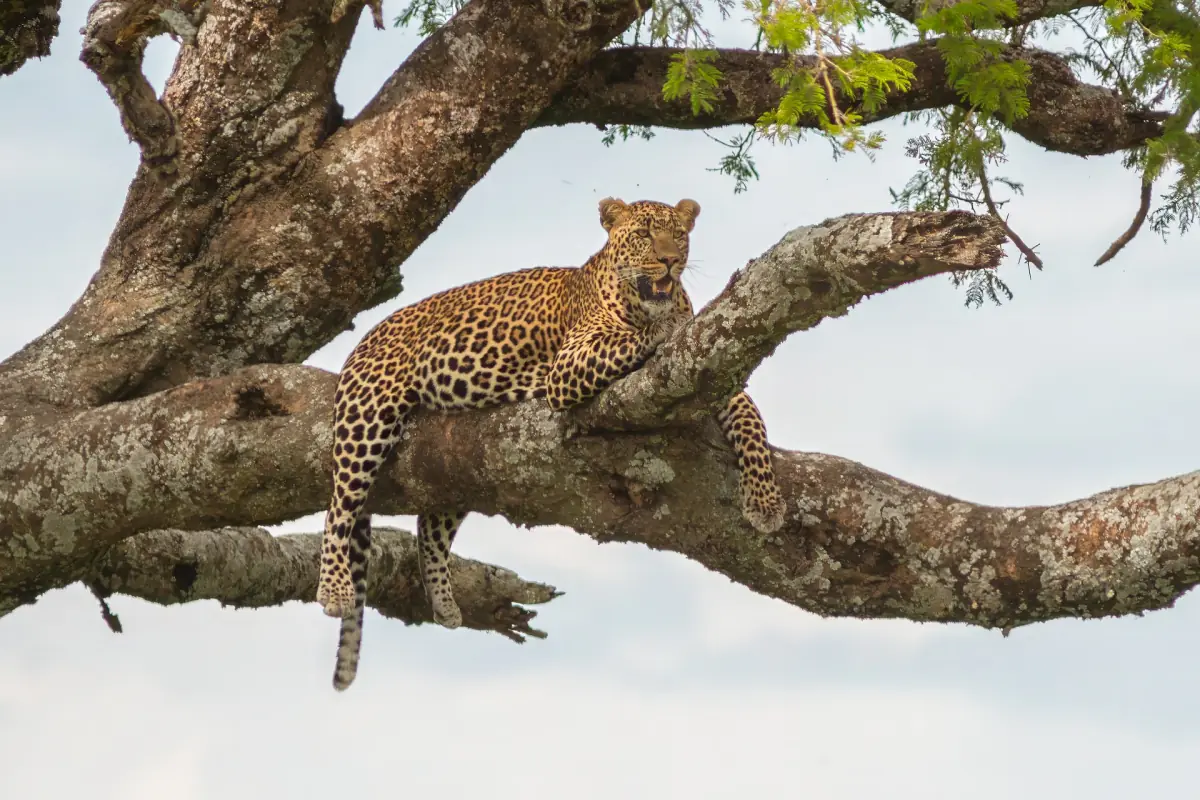
Lions and cheetahs live in the park. Leopards and hyenas live here too, along with the small, big-eared bat-eared fox. Predators are hard to promise. Leopards in particular rest in trees and thick bush, so a good guide watches for signs such as a group of alert zebras or other vehicles stopped in one place.
The best plan is a patient one. Ask your driver-guide to stay with a sighting for a while instead of moving on, and keep your distance so the animals stay relaxed. If you want to see lions in the trees, go to Lake Manyara and its tree-climbing lions.
Elephants, zebras and the dry season herds
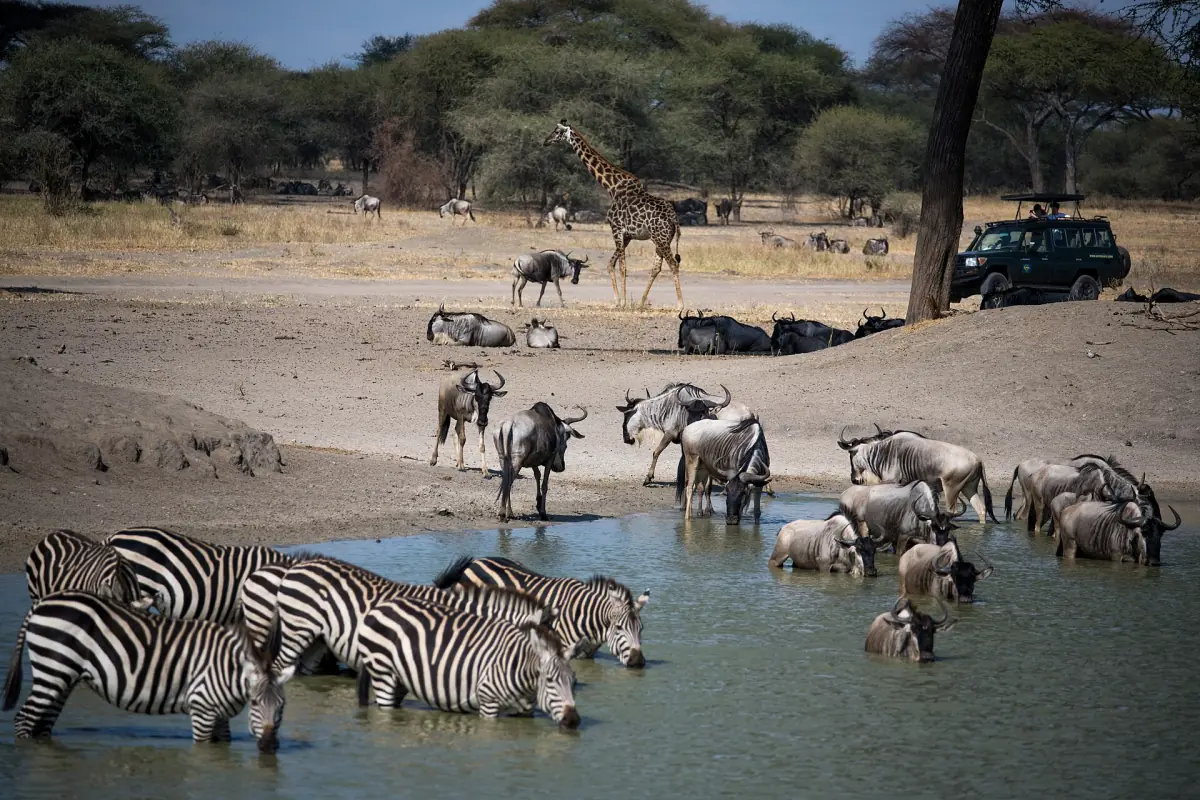
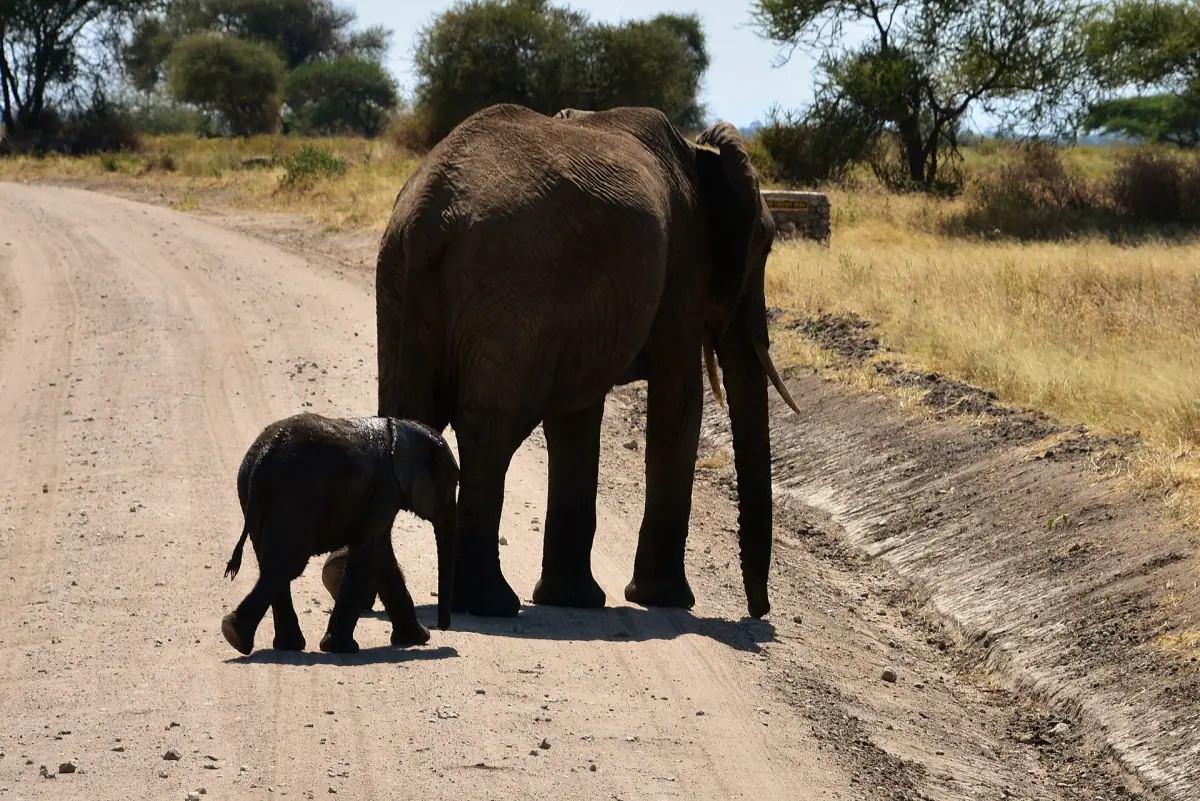
Tarangire is best known for its elephants. In the long dry season, when seasonal waterholes dry out, elephant groups and large numbers of zebras, wildebeest, buffalo and hartebeest concentrate along the river corridor and in the wetlands. That is the main reason many safari itineraries put Tarangire into the dry months.
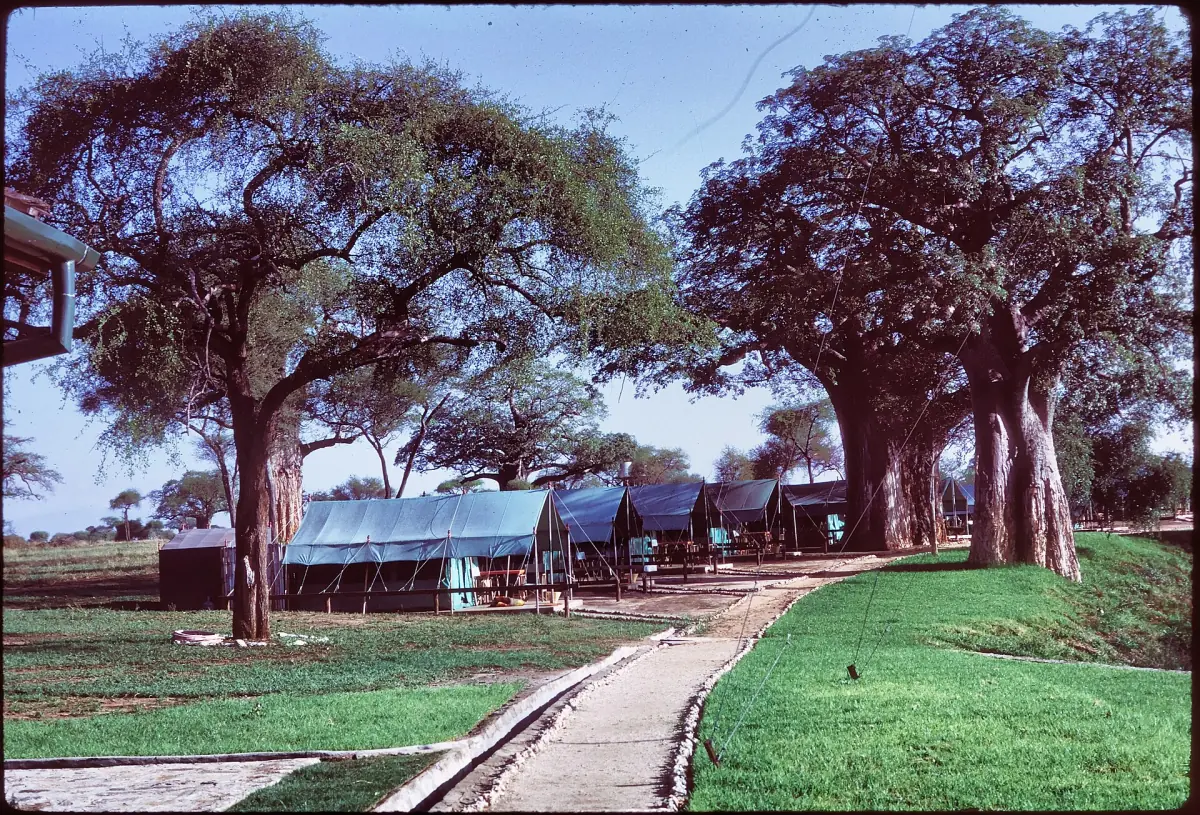
The elephants have their own page, with the months and places that work best: Tarangire elephants. For the giant trees that share the landscape with them, see the baobab trees of Tarangire.
Pythons in the trees
Pythons that climb trees are among the park's reptiles. They are a curiosity rather than a sure thing: there is no known season, no reliable place and no way to book one. If you are interested, tell your guide at the start of the day, and expect that most trips will pass without seeing one.
Tarangire birds
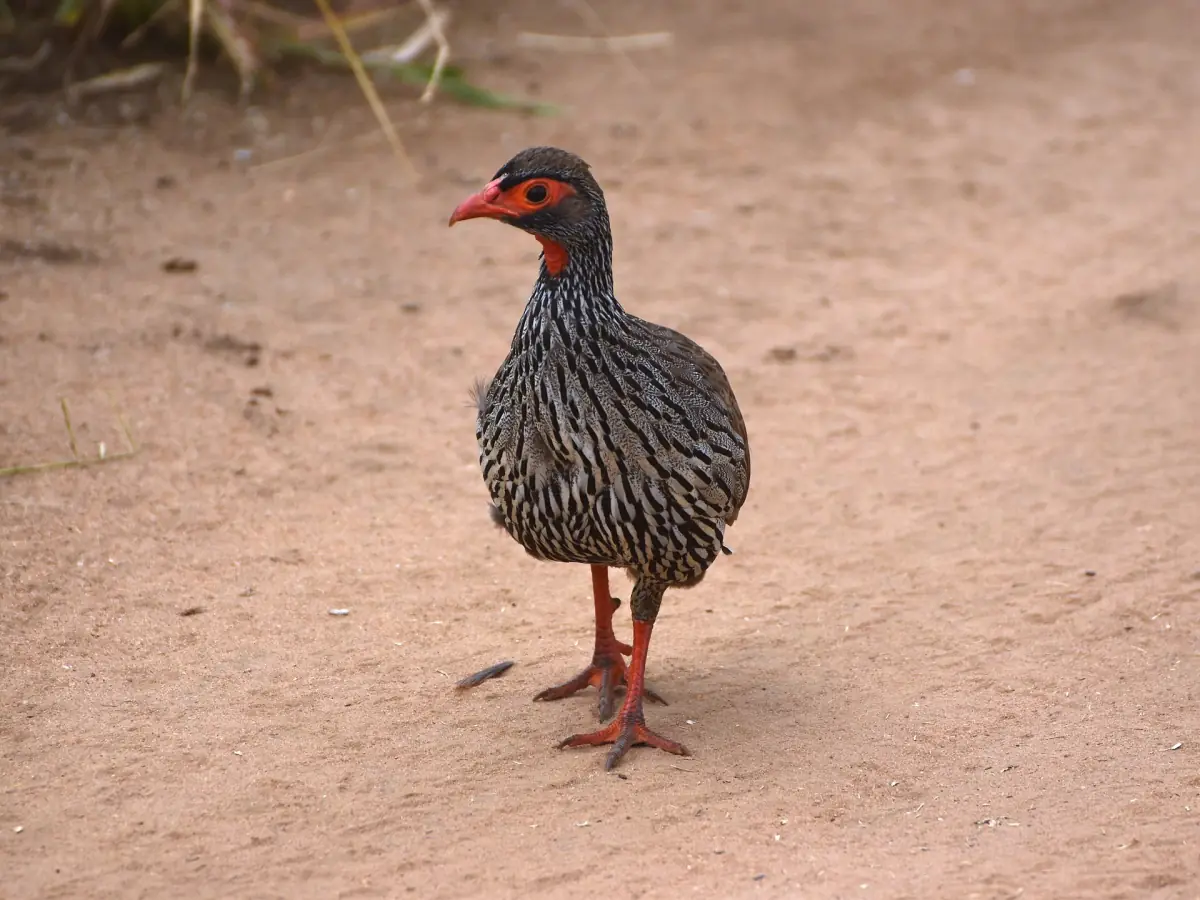
More than 550 bird species have been recorded in the park, and birders come as much for these as for the big mammals. Yellow-collared Lovebirds and Ashy Starlings are among them. Ostriches, kori bustards, bee-eaters and hornbills are all part of the picture, and the swampy sections along the river attract birds in the dry season.
Bring binoculars and ask for a stop whenever you see something small and colourful. Your guide will know the names, and a printed or phone checklist makes the day more fun.
Game drive rules that protect the animals
The park authority asks every visitor to follow the same few rules.
Stay on the tracks
Drive only on the marked tracks. Cutting across the grass damages the ground and is not allowed.
Do not feed or crowd animals
Keep your distance, do not block the way to water and never feed an animal.
Stay in the vehicle
Get out only at marked places. Walks happen only with an authorised ranger.
Drones need written permission
Drones may be flown only with prior written permission from the park authority.
Follow your ranger
Follow the instructions of the rangers and your guide at all times.
Tsetse flies
Wear covered clothing and use insect repellent. In areas with tsetse flies, keep the windows mostly closed and drive slowly. Carry enough drinking water for the day.
Plan your Tarangire trip
More guides for the animals, the landscape and the practical details.
Tarangire elephants
Herds, the best months and where to look.
The Tarangire River and Silale Swamp
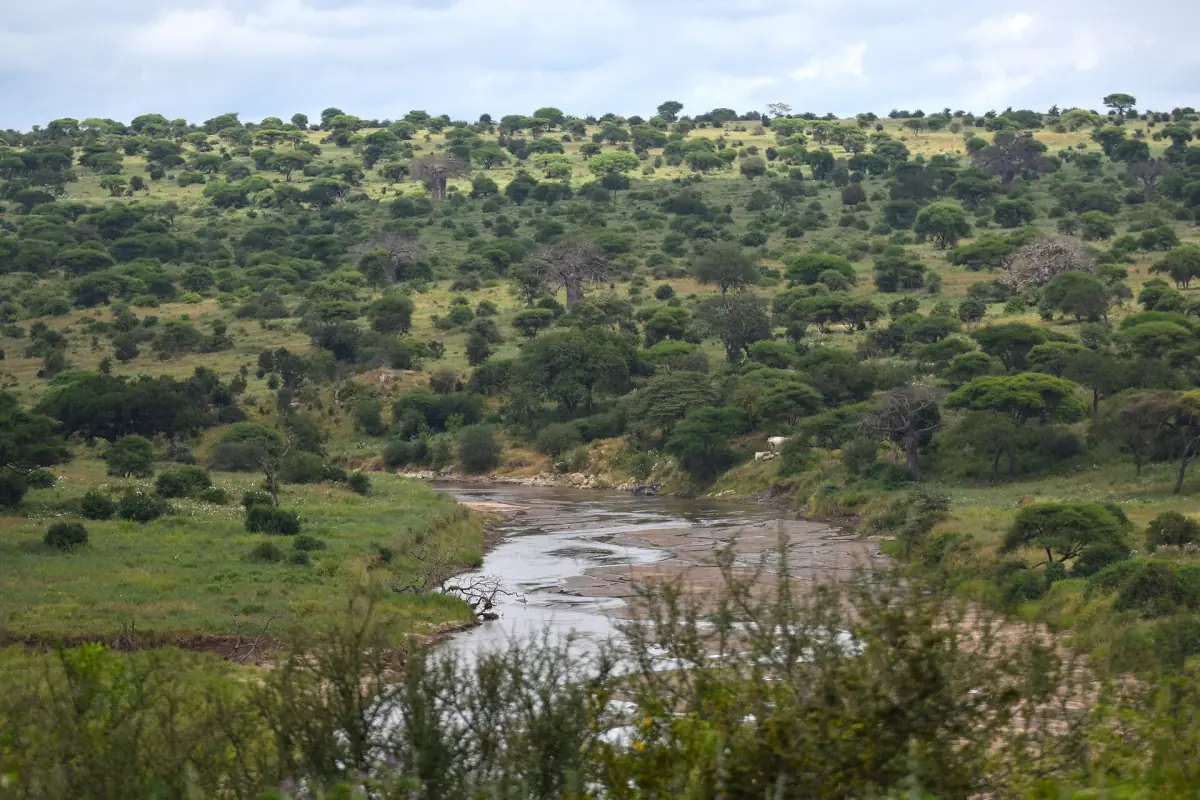
The water that draws the animals in the dry months.
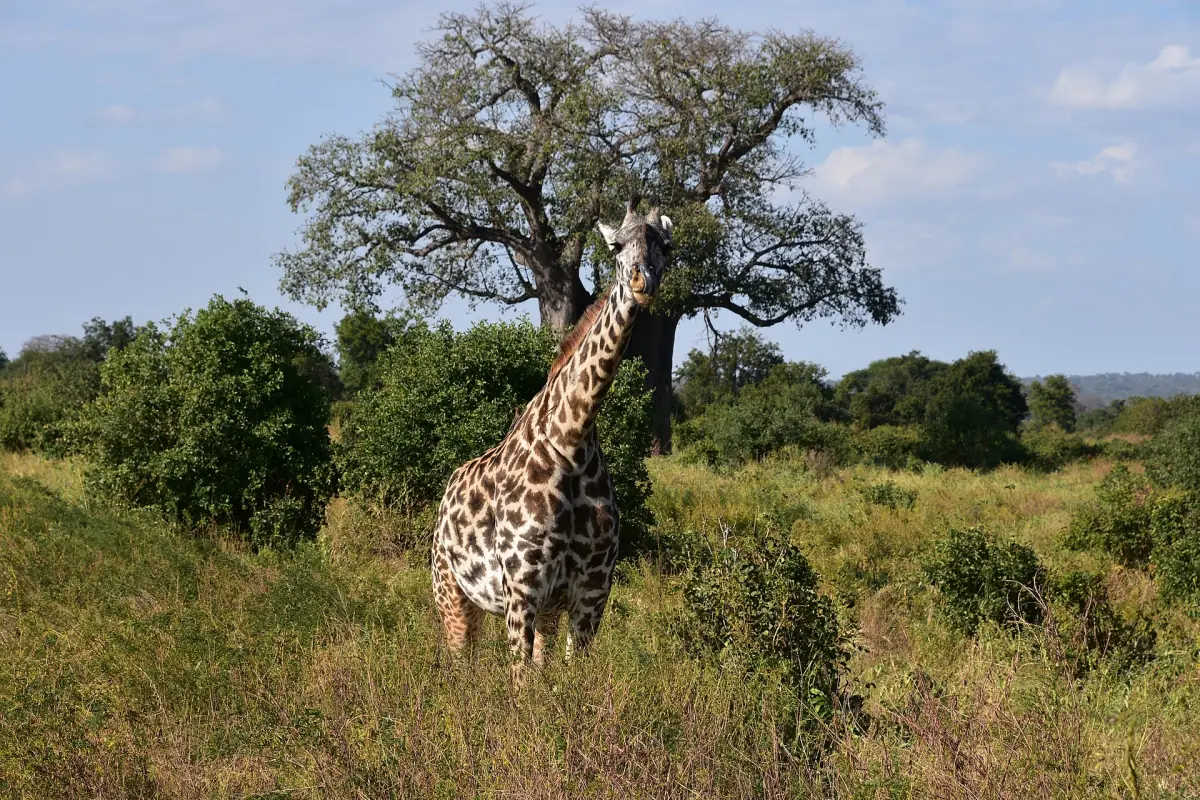
The baobab trees of Tarangire
Age, water and elephant damage.
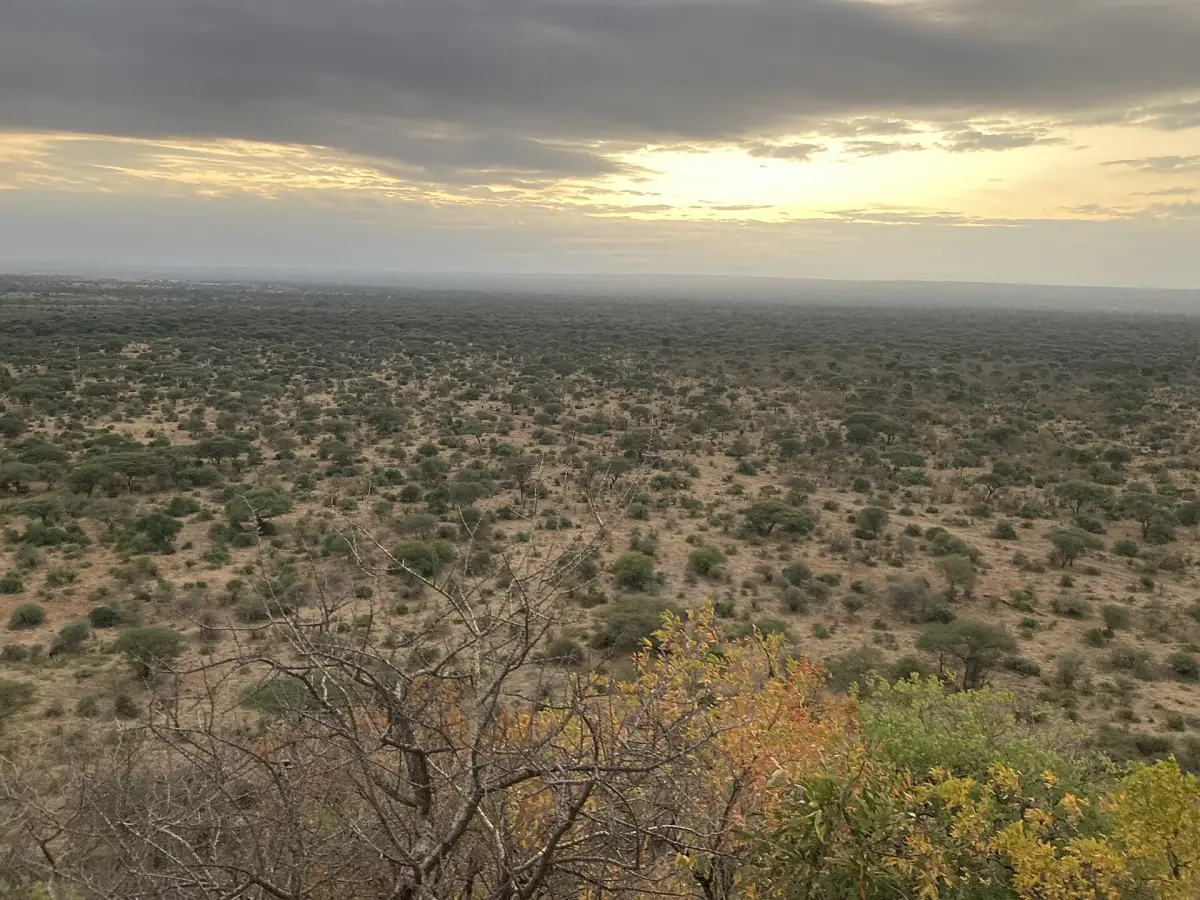
Weather and best time to visit
When the herds gather and when the rains come.
Tarangire animals: frequently asked questions
Which animals can I see in Tarangire?
Elephants, giraffes, zebras, buffalo, lions and cheetahs live in the park, and so do elands, leopards, hyenas and bat-eared foxes. More than 550 bird species have been recorded. Sightings are never guaranteed, so treat the list as a possibility, not a promise.
When are the most animals around the river?
In the long dry season from June to October, when seasonal waterholes dry out and animals gather along the river corridor and in the wetlands. Elephants, zebras, wildebeest, buffalo and hartebeest are the groups that concentrate.
Can I see lions in Tarangire?
Yes, lions live in the park, but they are hard to promise on any one drive. Leave plenty of time and ask your guide to stay with a sighting.
Are there tree-climbing pythons in Tarangire?
Pythons that climb trees are among the park's reptiles. They are rarely seen, and there is no known season or place to find them.
Can I get out of the vehicle to take photos?
Only at marked places. Walks are possible only with an authorised ranger, and you must stay on the designated tracks the rest of the time.