Tarangire weather at a glance
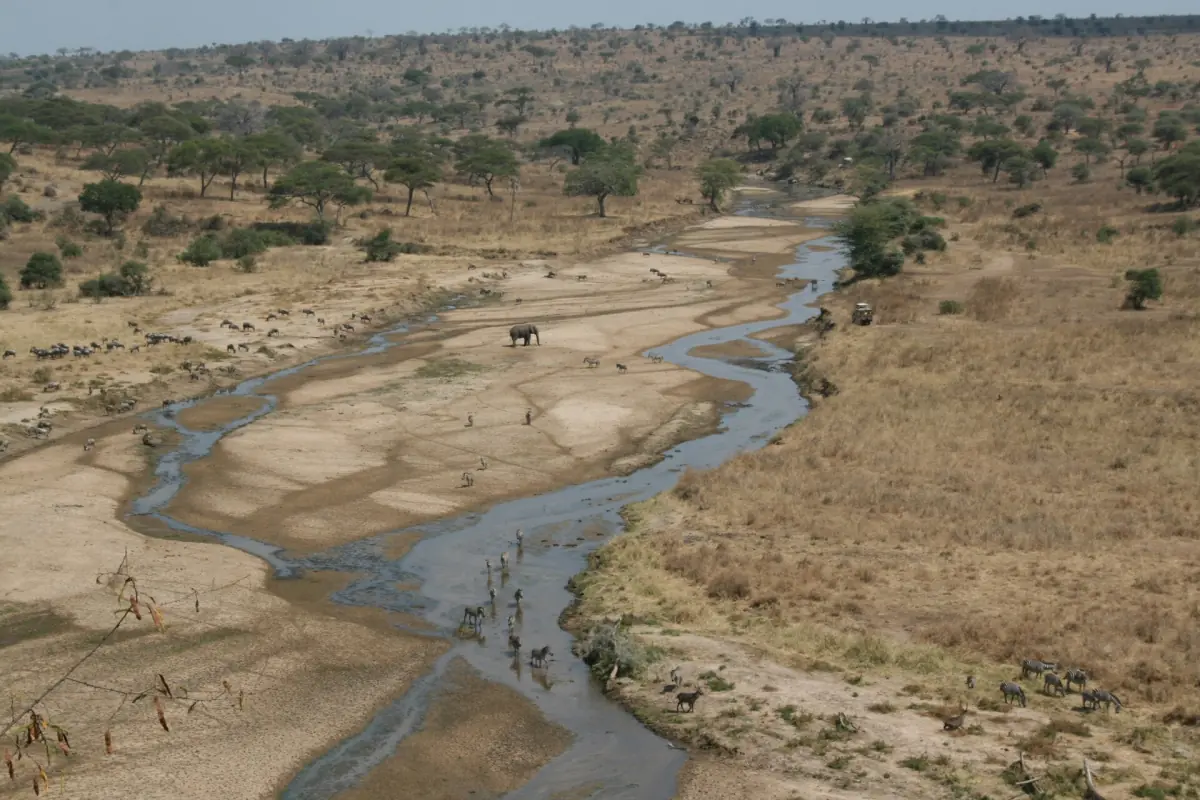
Tarangire National Park lies between 900 and 1,250 metres above sea level and gets roughly 650 to 700 millimetres of rain a year. The year follows two rainy seasons and two dry spells. The short rains fall in November and December, the long rains from March to May, and the long dry season runs from June to October. January and February are relatively dry.
For a Tarangire safari, the dry months matter most. Water becomes scarce, and the animals come to the river. In the rains the park turns green and the tracks get soft, which changes both the scenery and the way your guide plans the day.
Our pick: camping safari in the dry months
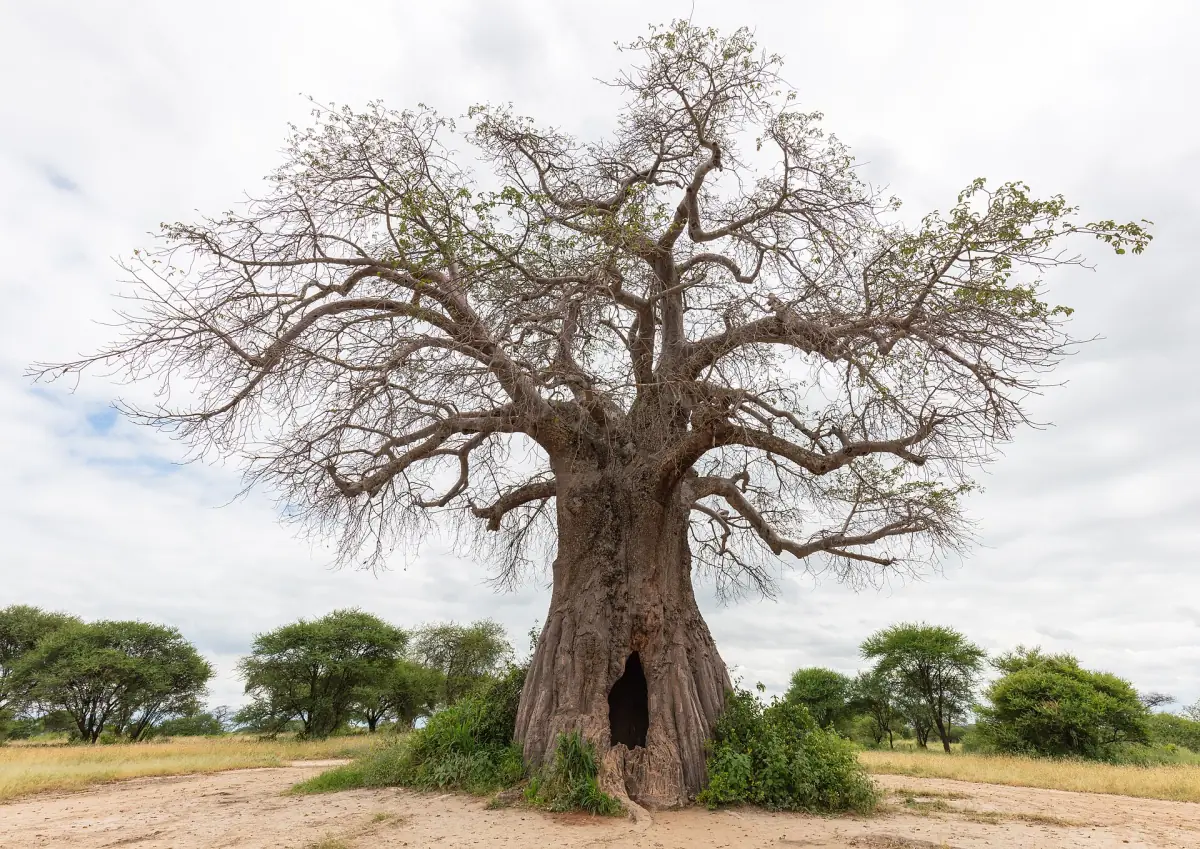
In the dry season the animals concentrate along the river, so a two-day trip with a river picnic suits a visit then.
Hand-picked tours, booked through GetYourGuide. Prices are indicative starting prices in US dollars (as of October 2026). Tap a tour for live availability and the current price in your currency.
Tarangire safaris through the seasons
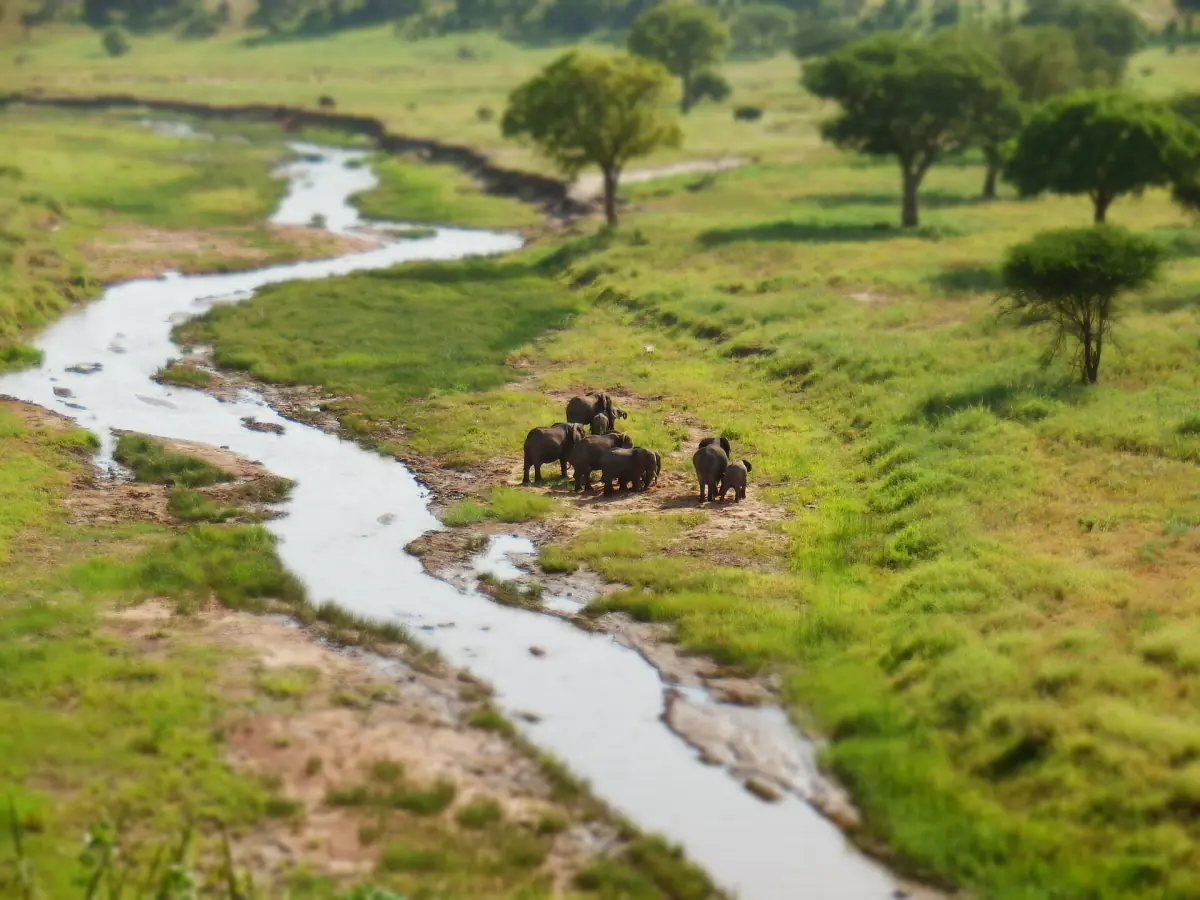
Day trips, game drives and multi-day safaris for the dry season and the green months, with live prices and availability.
The seasons compared
What each part of the year means for a visit.
| Season | Months | What to expect |
|---|---|---|
| Long dry season | June to October | Waterholes dry out, animals gather along the river and in the wetlands |
| Short rains | November and December | Rain returns, the landscape turns green, tracks can get soft |
| Relatively dry spell | January and February | Fewer showers between the two rainy seasons |
| Long rains | March to May | The wettest part of the year, with soft tracks and flooded crossings |
For most visitors who want river wildlife and big herds, June to October is the usual choice. If you travel in the green months, plan for slower driving and a flexible schedule.
Best time to visit Tarangire
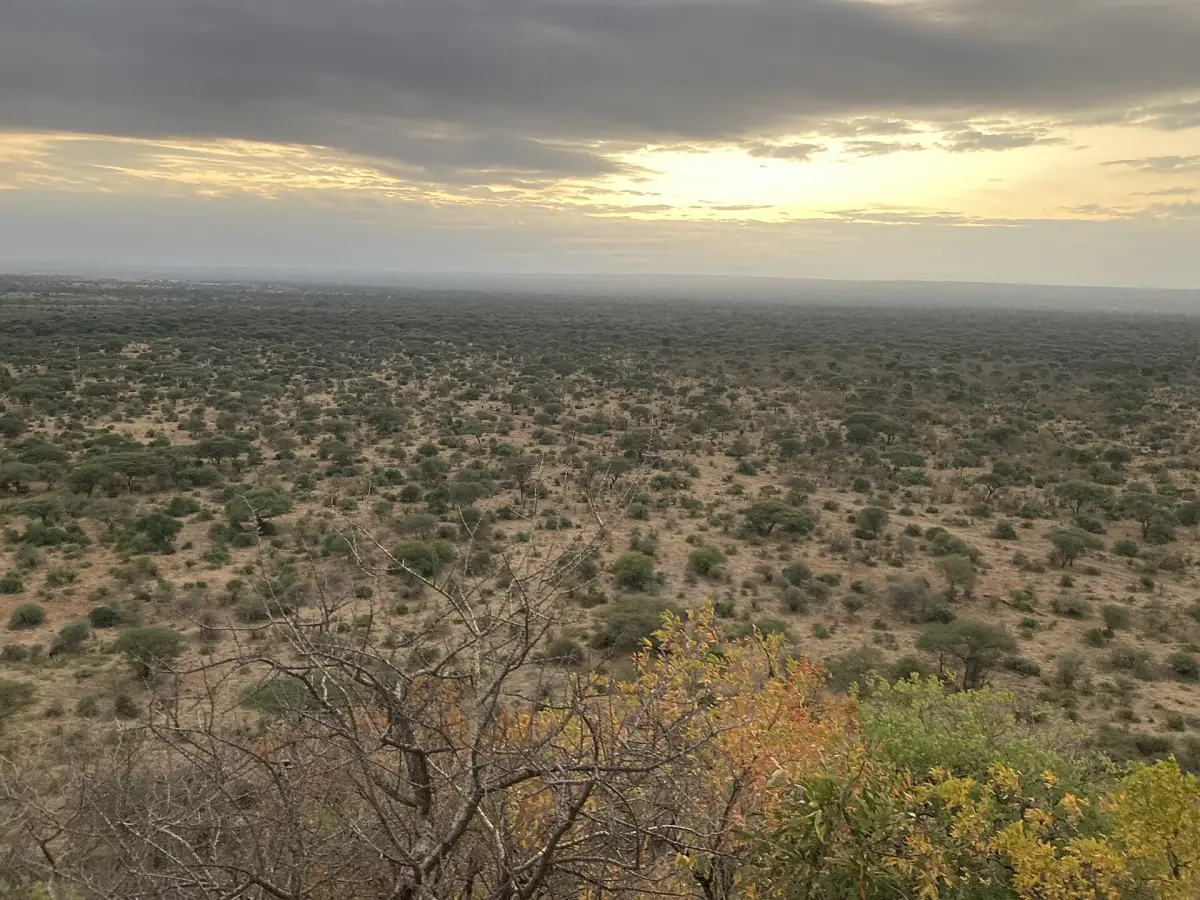
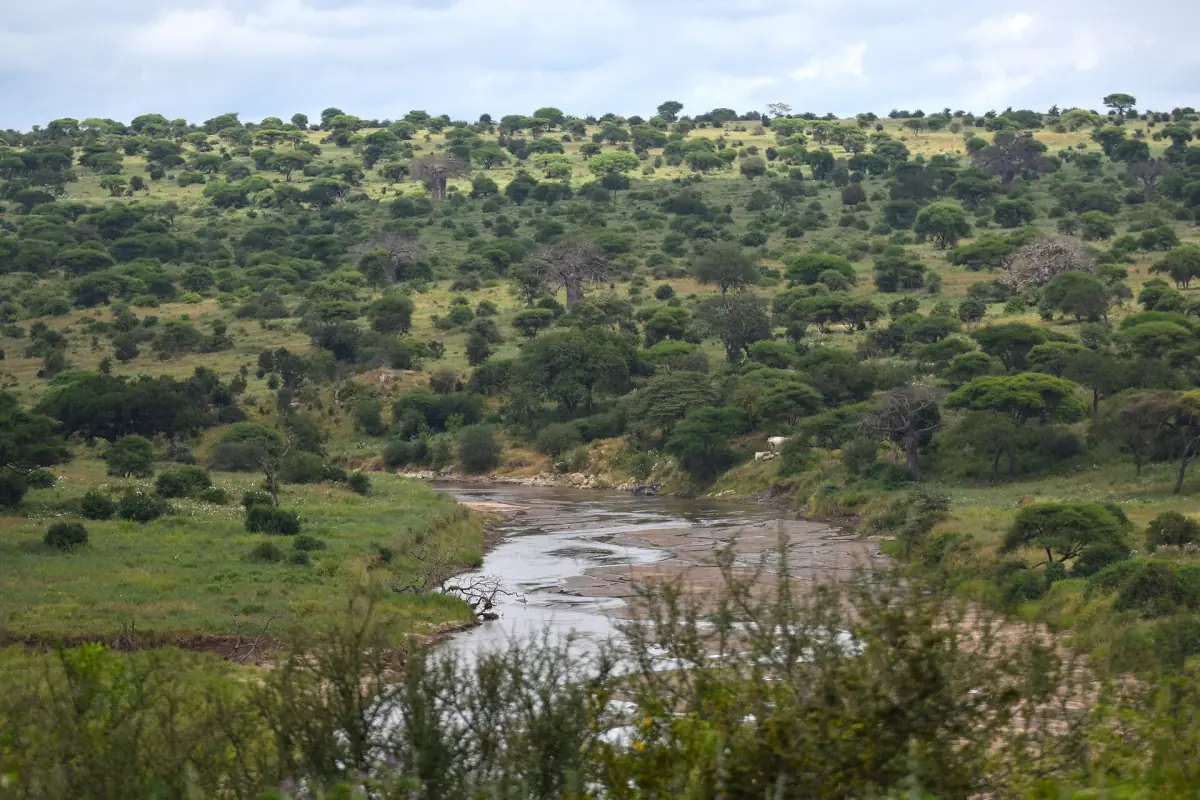
The best time to visit Tarangire for wildlife is the long dry season. Seasonal waterholes dry out, and the river corridor and the wetlands hold the animals. Elephants, zebras, wildebeest, buffalo and hartebeest are the groups that concentrate there.
This applies to wildlife, not to every kind of trip. Do not assume the dry months are best for everything, from birdwatching to road conditions, and do not expect a guarantee of any sighting. For the long dry season, book camps and lodges early. Our page about Tarangire animals shows which species to look for.
The rainy seasons
Manyara has two rainy seasons: the long rains from March to May and the short rains, which can begin in October or in November. Do not rely on an exact date for the change.
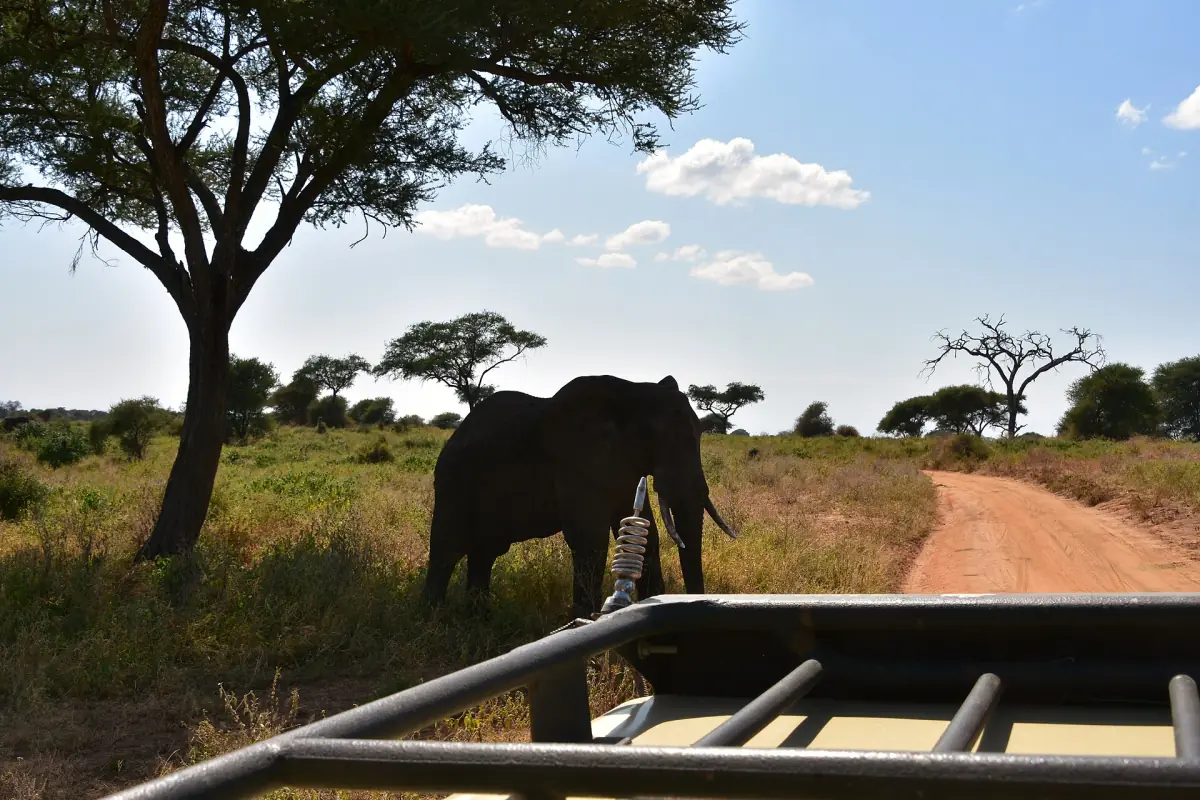
In the rains, the last stretches of park track are soft, and four-wheel drive is recommended in the wet months. Softened hollows and flooded crossings are possible, so conditions change. Ask your driver-guide about the current state of the roads, and see how to get to Tarangire from Arusha for the route.
Tsetse flies, sun and water
Covered clothing and insect repellent are recommended. In areas with tsetse flies, keep the windows mostly closed and drive slowly, and bring plenty of drinking water. This advice is not tied to a month, so follow it whatever the season.
Rain or no rain, a game drive is a long day. A hat, sunglasses and enough water make it easier.
Tarangire weather: frequently asked questions
When is the best time to visit Tarangire?
For wildlife at the river, the long dry season from June to October. Animals gather at the water, and large herds are easier to find.
When does it rain in Tarangire?
The short rains fall in November and December, and the long rains from March to May. They can begin in October or in November, so the exact timing varies.
How much rain does Tarangire get?
Roughly 650 to 700 millimetres a year, at an altitude of 900 to 1,250 metres.
Can I visit Tarangire in the rainy season?
Yes, the park is open all year. Expect soft tracks and possible flooded crossings, and use a four-wheel drive vehicle. The landscape is green, and you should plan more time for each drive.
Do tsetse flies matter in Tarangire?
They are present in some areas. Wear covered clothing, use insect repellent, keep the windows mostly closed in affected areas and drive slowly.